







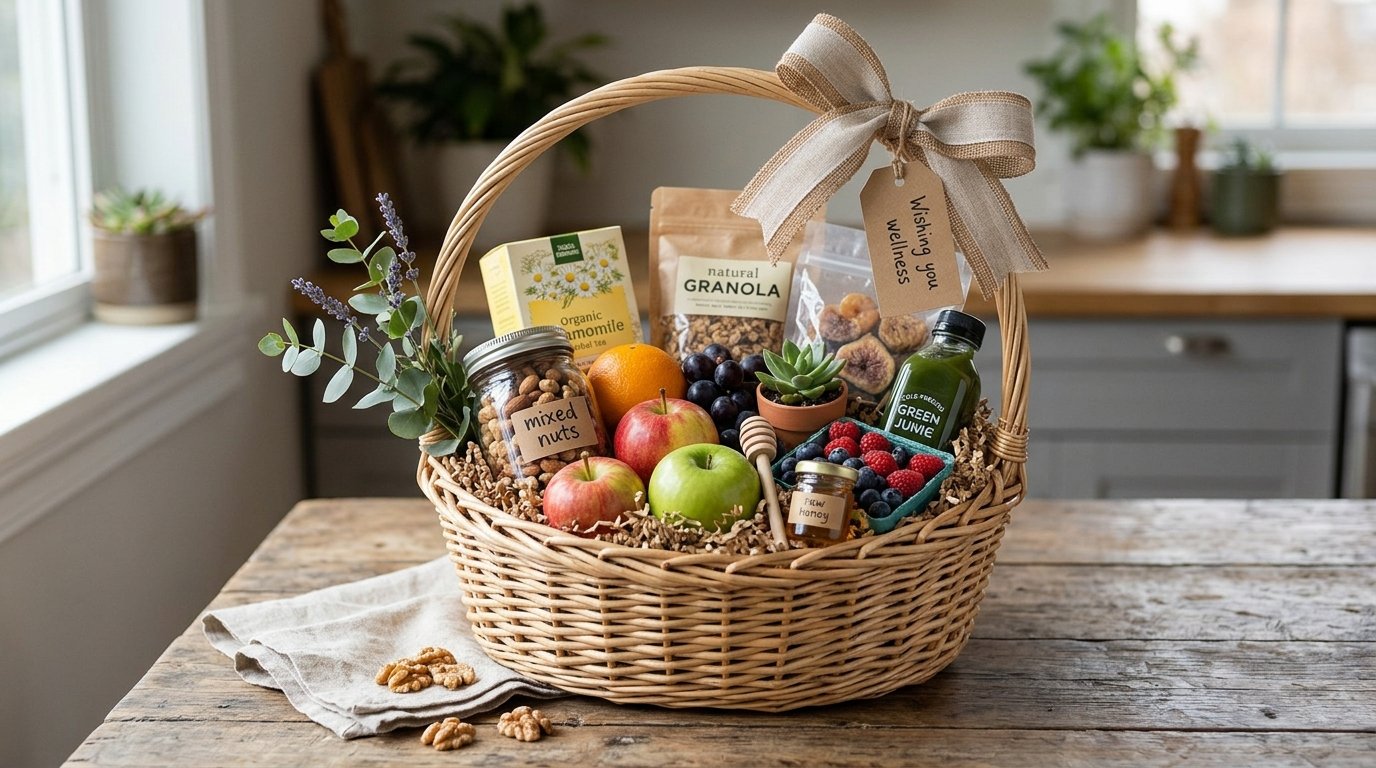
Living a healthy life is not simply about following a strict diet, spending hours at the gym, or avoiding every unhealthy habit. It is about making thoughtful decisions that support your physical, mental, and emotional well-being. The idea of a healthy present focuses on something particularly important: taking care of yourself today rather than waiting for the perfect moment to begin.
Modern life can make healthy living feel complicated. Busy schedules, professional responsibilities, family commitments, financial pressures, and constant digital distractions often leave little room for personal wellness. However, maintaining good health does not always require dramatic lifestyle changes. Small, consistent actions can gradually create meaningful improvements.
A healthy present means appreciating your current circumstances while making choices that contribute to a healthier future. It encourages people to eat nutritious foods, stay physically active, manage stress, develop positive relationships, and create a balanced daily routine.
Whether you want to improve your energy, develop healthier habits, strengthen your mental well-being, or simply feel better throughout the day, understanding the principles of a healthy present can help you make a positive difference.
What Does Healthy Present Mean?
A healthy present refers to living in a way that supports your overall well-being in the current moment. Instead of focusing exclusively on long-term fitness goals or future health improvements, this approach encourages you to pay attention to your everyday choices.
It recognizes that health is influenced by several interconnected factors, including nutrition, exercise, sleep, emotional balance, social relationships, and personal habits.
For example, preparing a nutritious breakfast, taking a short walk, drinking enough water, getting sufficient sleep, and spending quality time with loved ones are simple actions that contribute to a healthier lifestyle.
The concept also highlights the importance of mindfulness. Being aware of your physical needs, emotional condition, and daily behavior allows you to make more informed decisions.
A healthy present is not about achieving perfection. It is about building a lifestyle that feels sustainable, enjoyable, and supportive of your individual needs.
Why Is a Healthy Present Important?
Your present lifestyle has a direct influence on how you feel today and can also shape your long-term health. Everyday habits affect energy levels, concentration, physical fitness, emotional stability, and overall quality of life.
When people consistently neglect their health, they may experience fatigue, poor sleep, increased stress, and reduced motivation. On the other hand, making positive lifestyle choices can help support better physical and mental functioning.
There are several reasons why prioritizing a healthy present matters.
1. It Encourages Better Physical Health
Physical health depends on regular movement, balanced nutrition, adequate rest, and preventive care. Developing these habits can support cardiovascular health, muscle strength, mobility, and normal bodily functions.
You do not need an advanced fitness program to begin. Walking, stretching, cycling, dancing, and other enjoyable activities can become valuable parts of your daily routine.
2. It Supports Mental Well-Being
Mental health deserves the same attention as physical health. Constant pressure, excessive screen time, poor sleep, and an overloaded schedule can negatively affect emotional well-being.
A healthy present encourages people to create moments of relaxation, practice mindfulness, maintain meaningful relationships, and seek professional support when needed.
3. It Improves Everyday Energy
The foods you eat, the amount of sleep you receive, and your level of physical activity can influence how energetic you feel.
A balanced routine helps establish healthier patterns that support daily performance. Eating regular nutritious meals, staying hydrated, and maintaining a consistent sleep schedule are useful starting points.
4. It Builds Long-Term Healthy Habits
Sustainable health improvements usually come from consistency rather than temporary motivation.
When you make small changes part of your everyday routine, they become easier to maintain. Over time, these habits can contribute to a healthier lifestyle.
Healthy Eating: The Foundation of Everyday Wellness
Nutrition plays a central role in maintaining good health. Your body needs a variety of nutrients to support energy production, immune function, tissue repair, and normal physical development.
A healthy present begins with making thoughtful food choices without turning eating into a complicated process.
Choose Nutrient-Rich Foods
A balanced diet should include different food groups, such as:
- Fresh fruits and vegetables.
- Whole grains and high-fiber foods.
- Beans, lentils, and other legumes.
- Eggs, fish, lean meats, and suitable protein alternatives.
- Nuts and seeds.
- Milk, yogurt, or fortified dairy alternatives.
- Healthy sources of dietary fats.
These foods provide essential nutrients that help the body function properly.
Eat More Fruits and Vegetables
Fruits and vegetables contain vitamins, minerals, antioxidants, and dietary fiber. Including different colors in your meals can help increase the variety of nutrients you consume.
Apples, bananas, oranges, spinach, carrots, tomatoes, cucumbers, and seasonal vegetables are practical choices for everyday meals.
Fresh, frozen, and appropriately prepared canned vegetables can all contribute to a nutritious eating pattern.
Reduce Excessive Processed Foods
Highly processed foods can contain significant amounts of added sugar, sodium, and unhealthy fats. Regularly consuming large quantities may make it more difficult to maintain a balanced diet.
This does not mean you must completely eliminate your favorite treats. Instead, focus on moderation and make nutrient-rich foods the foundation of your meals.
Stay Properly Hydrated
Water supports digestion, temperature regulation, circulation, and many other essential bodily functions.
Your hydration needs depend on factors such as climate, physical activity, age, and individual health conditions. Drinking water regularly throughout the day is a practical habit.
Choosing water instead of frequently consuming sugary beverages can also support better dietary balance.
Physical Activity: Keep Your Body Moving
Regular physical activity is one of the most valuable components of a healthy present. Movement supports physical fitness, improves mobility, and contributes to emotional well-being.
Many people assume that exercise must involve expensive equipment or a gym membership. In reality, an active lifestyle can begin with simple activities at home or outdoors.
Make Walking Part of Your Routine
Walking is an accessible activity that most people can incorporate into their daily schedules.
You can walk around your neighborhood, visit a nearby park, take short breaks during work, or enjoy an evening walk with family members.
Consistent walking can support cardiovascular fitness and help reduce sedentary behavior.
Include Strength-Building Activities
Muscle strength is important for everyday movements, balance, posture, and physical independence.
Exercises such as squats, wall push-ups, resistance-band movements, and appropriately modified bodyweight exercises can help build strength.
Beginners should start gradually and choose activities suitable for their fitness levels.
Practice Stretching and Mobility Exercises
Stretching can help maintain flexibility and make everyday movements more comfortable.
Gentle stretching, yoga, and mobility exercises may be particularly useful for people who spend long periods sitting at a desk.
Find Activities You Enjoy
The best exercise routine is one you can maintain.
Some people enjoy swimming, while others prefer cycling, dancing, gardening, hiking, or playing recreational sports.
Choosing enjoyable activities makes physical movement feel less like an obligation and more like a natural part of daily life.
Mental Health and Emotional Balance
A healthy present is incomplete without mental and emotional wellness. Your thoughts, feelings, relationships, and responses to everyday challenges all influence your overall health.
Mental well-being does not mean feeling happy every moment. It means developing healthy ways to understand emotions, manage challenges, and seek support when necessary.
Practice Mindfulness
Mindfulness involves paying attention to the present moment without immediately judging your thoughts or experiences.
You can practice mindfulness by taking a few slow breaths, enjoying a meal without distractions, noticing your surroundings, or spending a few quiet minutes reflecting on your day.
These activities can help create moments of calm within a busy schedule.
Manage Everyday Stress
Stress is a normal part of life, but ongoing stress can affect sleep, concentration, mood, and physical health.
Helpful stress-management practices include:
- Taking regular breaks.
- Spending time outdoors.
- Maintaining realistic expectations.
- Practicing breathing exercises.
- Organizing daily responsibilities.
- Talking with trusted friends or family members.
- Seeking professional mental health support when appropriate.
Learning to recognize your stress triggers can also help you respond more effectively.
Maintain Healthy Relationships
Positive social connections contribute to emotional well-being. Spending time with supportive people can provide encouragement, companionship, and a sense of belonging.
Make time for meaningful conversations, family activities, friendships, and shared experiences.
Healthy relationships should include respect, understanding, communication, and appropriate personal boundaries.
The Importance of Quality Sleep
Sleep is essential for physical recovery, memory, concentration, emotional regulation, and general health.
Unfortunately, many people sacrifice sleep because of work, entertainment, social media, or irregular schedules.
A healthy present includes treating sleep as a necessary part of wellness rather than an optional activity.
Establish a Consistent Sleep Schedule
Try to go to bed and wake up at approximately the same time every day, including weekends.
A consistent routine can help support your body’s natural sleep-wake cycle.
Create a Comfortable Sleeping Environment
Your bedroom should ideally be quiet, comfortable, and dark enough to encourage restful sleep.
Reducing unnecessary noise, adjusting room temperature, and using comfortable bedding can make a difference.
Reduce Screen Time Before Bed
Electronic devices can make it harder for some people to relax before sleeping.
Consider putting away your phone, computer, and television shortly before bedtime. Replace late-night scrolling with reading, gentle stretching, or another calming activity.
Develop a Relaxing Evening Routine
A simple evening routine can signal that it is time to rest.
You might take a warm shower, prepare your clothes for the following day, read a book, or practice a few minutes of relaxation.
Most adults benefit from getting at least seven hours of sleep each night, although individual needs can vary.
Healthy Daily Habits That Make a Difference
A healthier lifestyle does not require changing everything at once. Building a few practical habits and repeating them consistently can make wellness easier to maintain.
Consider introducing these habits into your daily routine.
Start Your Morning with Intention
Rather than immediately checking notifications, give yourself a few minutes to wake up calmly.
Drink some water, open the curtains, stretch gently, and think about the priorities for your day.
A peaceful morning can help establish a positive foundation for the hours ahead.
Eat Balanced Meals
Plan meals that include a combination of vegetables, fruits, whole grains, and protein sources.
Preparing meals at home can also make it easier to understand ingredients and manage portion sizes.
Take Breaks from Sitting
Long periods of sitting can contribute to a sedentary lifestyle.
Stand up, stretch, walk around, or change positions regularly, particularly if your work involves spending hours at a computer.
Limit Unnecessary Screen Time
Technology offers many benefits, but excessive screen use can interfere with sleep, physical activity, and personal relationships.
Set reasonable boundaries around entertainment and social media. Make room for offline activities that support your interests and well-being.
Make Time for Personal Enjoyment
A healthy lifestyle should include activities that bring satisfaction and happiness.
Reading, cooking, gardening, listening to music, learning new skills, and spending time with loved ones can make everyday life more rewarding.
Healthy Present in the Workplace
Work responsibilities can make it difficult to prioritize personal wellness. Long working hours, deadlines, extended screen use, and workplace stress may gradually affect physical and mental health.
However, maintaining healthy habits at work is possible with a little planning.
Start by creating a comfortable and organized workspace. Adjust your sitting position, maintain appropriate screen height, and take regular movement breaks.
Keep a water bottle nearby and choose balanced meals or snacks instead of relying entirely on convenience foods.
It is also important to establish boundaries between professional responsibilities and personal time. Avoid allowing work-related demands to occupy every part of your day.
If possible, use short breaks to walk outdoors, stretch, or practice relaxation techniques.
A healthier workplace routine can support concentration, productivity, and overall well-being.
Creating a Healthy Home Environment
Your surroundings influence many of your everyday decisions. A supportive home environment can make healthy habits easier to follow.
Start by keeping nutritious foods accessible. Store fruits in visible places, prepare ingredients in advance, and organize your kitchen to encourage balanced meals.
Create a comfortable area for physical activity, even if it is only a small space for stretching or home workouts.
Keep your bedroom organized and develop a relaxing bedtime environment.
You can also encourage family members to participate in healthy activities. Cooking together, walking after dinner, playing outdoor games, and sharing nutritious meals are simple ways to make wellness a shared experience.
A healthy home does not need to be expensive or perfectly organized. What matters most is creating an environment that supports positive everyday choices.
Healthy Present and Preventive Healthcare
Taking care of your health also means paying attention to prevention.
Many health conditions benefit from early identification, appropriate medical advice, and regular monitoring.
Preventive healthcare may include routine medical checkups, recommended vaccinations, dental examinations, vision assessments, and age-appropriate health screenings.
The right schedule depends on your age, personal circumstances, family history, and individual risk factors.
It is also important to understand your body and seek medical advice when you notice unusual or persistent symptoms.
Avoid relying entirely on online information to diagnose health problems. Qualified healthcare professionals can provide guidance based on your individual needs.
Preventive care is not only about responding to illness. It is also about protecting your health and making informed decisions before problems become more serious.
How to Build a Healthy Present on a Budget
Living healthily does not have to be expensive. Many effective wellness habits require little or no financial investment.
For example, walking, home workouts, preparing meals, drinking tap water when it is safe, and maintaining a consistent sleep schedule can all support a healthier lifestyle.
Here are some practical budget-friendly ideas:
Choose seasonal produce: Seasonal fruits and vegetables are often more affordable and widely available.
Prepare meals at home: Cooking can help control ingredients, reduce food waste, and make balanced eating more accessible.
Buy basic nutritious foods: Lentils, beans, eggs, oats, rice, vegetables, and seasonal fruits can form the foundation of affordable meals.
Exercise without expensive equipment: Walking, stretching, bodyweight exercises, and beginner-friendly home workouts can provide valuable physical activity.
Enjoy free outdoor activities: Parks, walking paths, and open spaces offer opportunities to move and relax.
Plan your purchases: Creating a shopping list can reduce unnecessary spending and make healthy food choices easier.
A healthy present is defined by consistent care, not by expensive products, luxury fitness memberships, or complicated wellness routines.
Common Challenges to Maintaining a Healthy Lifestyle
Even when people understand the importance of health, maintaining healthy habits can be challenging.
Busy schedules, limited motivation, financial restrictions, family responsibilities, and unexpected circumstances can interrupt even the best routines.
Recognizing these challenges can help you find realistic solutions.
Lack of Time
When your schedule is full, healthy activities may feel difficult to prioritize.
Start with short periods of movement, simple meal preparation, and manageable bedtime routines.
Even small improvements can be worthwhile.
Lack of Motivation
Motivation naturally changes. Instead of depending on motivation alone, create routines that make healthy decisions easier.
For example, prepare workout clothes in advance, keep healthy snacks available, and schedule regular walking breaks.
Unrealistic Expectations
Expecting immediate results can lead to frustration.
Health improvements often require patience and consistency. Focus on habits you can maintain instead of following extreme routines.
Emotional Eating
Some people turn to food when they experience stress, sadness, boredom, or frustration.
Developing awareness of emotional eating patterns can help you understand your needs. Eating should not become a source of guilt or unnecessary restriction.
If eating-related difficulties become distressing, consider seeking guidance from a qualified healthcare professional.
Difficulty Maintaining Consistency
Missing a workout or eating an unbalanced meal does not mean your progress has disappeared.
The important thing is to return to your routine without unnecessary self-criticism.
A flexible approach makes healthy living more sustainable.
A Simple Daily Routine for a Healthy Present
A structured daily routine can help you incorporate wellness into your life without making your schedule overwhelming.
Here is an example of a balanced day that you can adjust according to your responsibilities and preferences.
Morning
- Wake up at a consistent time.
- Drink a glass of water.
- Spend a few minutes stretching.
- Eat a balanced breakfast.
- Review your daily priorities.
Afternoon
- Enjoy a nutritious lunch.
- Take a short walk or movement break.
- Drink water regularly.
- Step away from screens when possible.
- Spend a few minutes relaxing between responsibilities.
Evening
- Enjoy a balanced dinner.
- Spend quality time with family or friends.
- Participate in a relaxing activity.
- Reduce unnecessary screen use.
- Prepare for the following day.
Night
- Follow a consistent bedtime routine.
- Create a comfortable sleeping environment.
- Aim for sufficient sleep.
This routine is only a starting point. You can adapt it to your working hours, family responsibilities, health needs, and personal preferences.
Healthy Present for Different Stages of Life
Healthy living is not identical for everyone. Age, physical condition, personal responsibilities, and individual health needs influence the habits that are most beneficial.
Healthy Present for Young Adults
Young adulthood is an excellent time to establish sustainable habits.
Prioritize nutritious meals, regular movement, sufficient sleep, emotional well-being, and preventive healthcare.
Developing these habits early can support a healthier lifestyle as responsibilities increase.
Healthy Present for Working Professionals
People with demanding careers may benefit from structured breaks, ergonomic workspaces, balanced meals, and clear boundaries between work and personal life.
Making time for physical activity and relaxation is equally important.
Healthy Present for Parents and Families
Parents can encourage healthier habits by creating nutritious family meals, organizing outdoor activities, and establishing consistent sleep routines.
Children often learn everyday behaviors by observing the adults around them.
Healthy Present for Older Adults
Healthy aging involves maintaining mobility, strength, balance, social connections, and cognitive engagement.
Appropriate physical activity, balanced nutrition, regular medical care, and meaningful relationships can support overall well-being.
Older adults should choose activities according to their abilities and consult healthcare professionals when necessary.
The Connection Between Healthy Living and Happiness
Health and happiness are closely connected, although neither guarantees the other.
Taking care of your body can support energy and physical comfort. Managing stress and maintaining meaningful relationships can contribute to emotional satisfaction.
A healthy present also encourages people to appreciate ordinary moments.
Enjoying a homemade meal, watching a beautiful sunset, spending time with friends, completing a personal goal, or taking a peaceful walk can bring genuine satisfaction.
These experiences remind us that wellness is not simply a collection of measurements or achievements.
It is also about having the energy, confidence, and emotional space to enjoy everyday life.
How to Stay Consistent with Healthy Habits
Consistency is one of the most important elements of sustainable wellness.
Rather than attempting to change your entire lifestyle overnight, focus on a few achievable improvements.
For example, you might begin by walking for 15 minutes, adding one serving of vegetables to your meals, or establishing a more regular bedtime.
Once these habits become familiar, introduce additional changes.
Tracking your progress can also be helpful. Keep a simple journal or use a habit-tracking application to record your activities.
However, remember that progress is not always perfectly measurable. Some improvements appear through better concentration, more comfortable movement, improved routines, or a greater sense of balance.
Celebrate small achievements and allow yourself flexibility when circumstances change.
The goal is not to follow a perfect routine every day. The goal is to create habits that support your health over time.
Frequently Asked Questions About Healthy Present
1. What is the meaning of a healthy present?
A healthy present means making everyday choices that support physical, mental, and emotional well-being. It focuses on taking care of your health today through balanced nutrition, physical activity, quality sleep, stress management, and positive habits.
2. How can I start living a healthier lifestyle?
Begin with simple changes. Drink enough water, eat more fruits and vegetables, walk regularly, establish a consistent sleep schedule, and make time for relaxation. Gradually build additional habits as your routine becomes more comfortable.
3. Why is a healthy present important for the future?
Your everyday habits influence your overall health and can contribute to long-term well-being. Consistent healthy choices help establish a foundation for maintaining physical fitness, emotional balance, and a better quality of life.
4. Can I maintain a healthy lifestyle on a limited budget?
Yes. Walking, home workouts, preparing meals, buying seasonal produce, and maintaining good sleep habits are affordable ways to support wellness. Healthy living does not require expensive products or memberships.
5. How does mental health contribute to a healthy present?
Mental health influences how people manage stress, build relationships, make decisions, and respond to challenges. Supporting emotional well-being is an essential part of maintaining overall health.
6. What are the most important daily habits for good health?
Some valuable habits include eating balanced meals, staying physically active, drinking enough water, getting sufficient sleep, maintaining social connections, managing stress, and attending appropriate preventive healthcare appointments.
7. How long does it take to develop healthy habits?
The time required varies depending on the individual, the behavior, and personal circumstances. Some habits become easier within a few weeks, while others require longer periods of consistent practice. Patience and repetition are more important than following an exact timeline.
Final Thoughts: Make Your Present Healthier, One Day at a Time
A healthy present is about recognizing that your well-being deserves attention today. You do not need to wait until your schedule becomes less busy, your circumstances improve, or the perfect opportunity appears.
Everyday decisions can become meaningful steps toward a healthier life.
Choose nourishing foods, move your body regularly, protect your sleep, manage stress, maintain supportive relationships, and make time for activities that bring you happiness.
Most importantly, avoid comparing your health journey with someone else’s progress. Everyone has different needs, challenges, and starting points.
The most effective approach is one that fits your circumstances and can be maintained over time.
Remember that healthy living is not a temporary project or a race toward perfection. It is an ongoing commitment to treating yourself with care and making choices that support your well-being.
Start with what you can do today. A healthier present can become the foundation for a brighter, more balanced, and more fulfilling future.
Explore more: ZO Skin Health: A Complete Guide to Healthy, Radiant Skin











Discussion about this post