







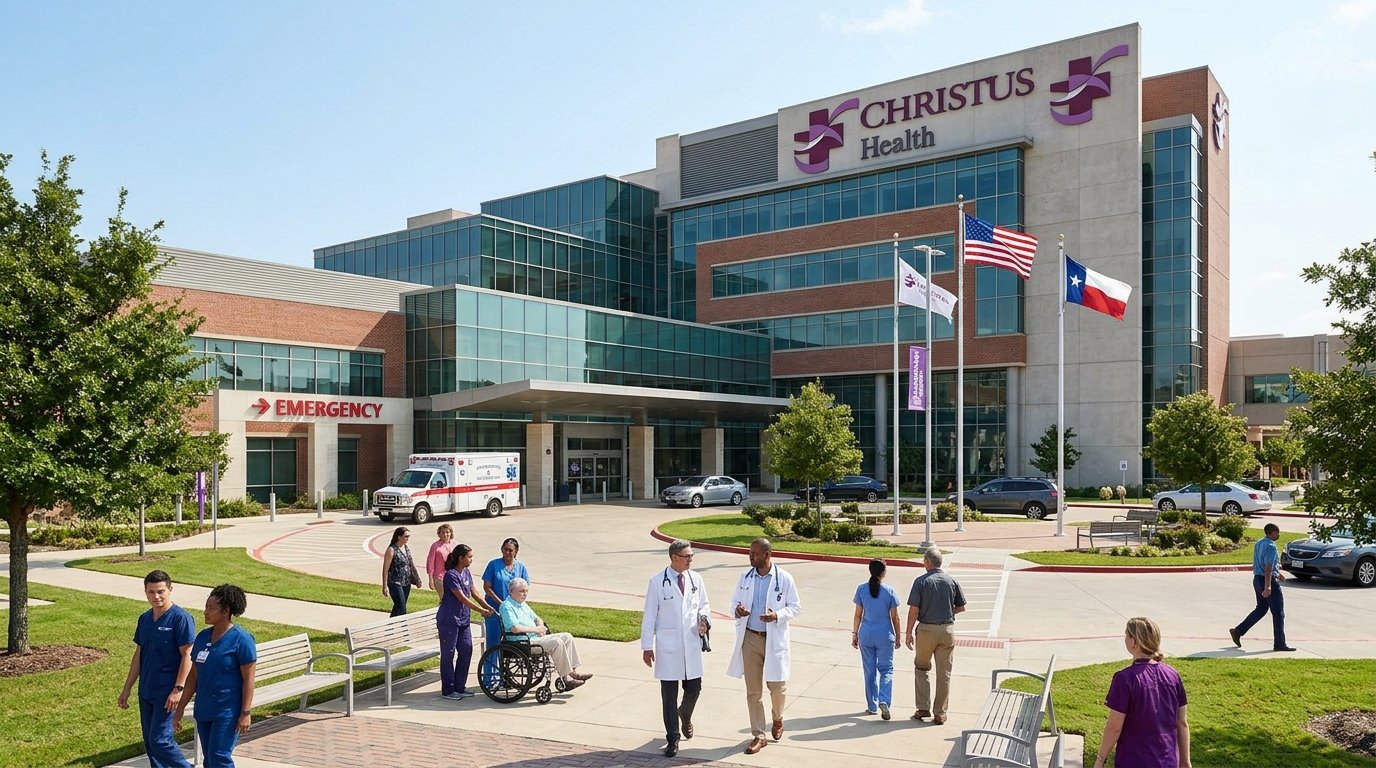
Healthcare is one of the most important parts of everyday life. Whether someone needs a routine medical checkup, specialist consultation, emergency treatment, or long-term support for a health condition, finding a reliable healthcare provider can make a meaningful difference. Patients and families often look for a healthcare organization that combines medical expertise, convenient services, compassionate professionals, and a commitment to improving community well-being.
CHRISTUS Health is a Catholic, not-for-profit healthcare system that focuses on delivering comprehensive medical services while emphasizing dignity, compassion, and respect for every individual. With hospitals, physician practices, clinics, and other healthcare facilities across several regions, the organization serves individuals and families through different stages of life.
Its approach goes beyond treating medical conditions. CHRISTUS Health emphasizes preventive care, patient education, specialized treatment, recovery, and community health initiatives. Its mission is rooted in the belief that healthcare should address the needs of the whole person, including physical, emotional, and spiritual well-being.
For people researching CHRISTUS Health, understanding its background, medical services, hospital network, health plans, and patient resources can help explain what makes this healthcare organization distinctive.
This comprehensive guide explores the organization’s history, services, mission, healthcare facilities, and the resources available to patients and communities.
What Is CHRISTUS Health?
CHRISTUS Health is an international Catholic, not-for-profit healthcare organization headquartered in Irving, Texas. It operates a broad network of medical facilities and healthcare services designed to support patients with different medical needs.
The organization provides access to hospitals, outpatient centers, primary care practices, urgent care facilities, specialty physicians, and other healthcare resources. Its network also extends beyond the United States, with healthcare operations in countries including Mexico, Colombia, and Chile.
CHRISTUS Health follows a mission centered on extending the healing ministry of Jesus Christ. This mission influences its approach to patient relationships, medical services, community involvement, and organizational decisions.
Rather than focusing exclusively on individual medical appointments, the healthcare system aims to create connected care experiences. Patients may access preventive services, diagnostic testing, specialist consultations, treatment programs, and follow-up support through different parts of its network.
The organization also emphasizes the importance of making healthcare accessible to underserved communities. Through charitable programs, local partnerships, and community health initiatives, it works to address healthcare needs beyond traditional hospital settings.
The History and Background of CHRISTUS Health
Understanding the history of CHRISTUS Health provides valuable insight into its mission and identity.
The organization’s roots go back to 1866, when religious sisters responded to a call to provide medical assistance to people in Texas. These early healthcare efforts were connected to the Sisters of Charity of the Incarnate Word, whose work focused on helping individuals facing illness, poverty, and difficult living conditions.
During a period when access to organized medical treatment was limited in many communities, these sisters helped establish a foundation for compassionate healthcare services.
Their commitment to serving vulnerable individuals gradually developed into a broader healthcare ministry. Over time, hospitals, medical facilities, and community healthcare programs expanded the organization’s reach.
CHRISTUS Health was formally established in 1999, bringing together healthcare ministries with a shared commitment to faith-based service and medical excellence.
In 2016, the Sisters of the Holy Family of Nazareth joined as another sponsoring congregation, further strengthening the organization’s religious and charitable foundation.
Today, CHRISTUS Health continues to build on this history through modern healthcare facilities, advanced medical technologies, professional medical teams, and community-based programs.
Its development demonstrates how a healthcare organization with historical religious roots can continue adapting to changing medical needs while maintaining its original commitment to compassionate service.
The Mission, Vision, and Core Values of CHRISTUS Health
The mission of a healthcare organization influences how it treats patients, supports employees, and contributes to society. CHRISTUS Health places particular importance on its religious heritage and commitment to serving people with dignity.
Its mission is:
To extend the healing ministry of Jesus Christ.
This statement represents the organization’s belief that healthcare should involve more than medical procedures and clinical outcomes. It should also include kindness, understanding, respect, and support for individuals during difficult moments.
The Vision of CHRISTUS Health
The organization’s vision focuses on becoming a leader, partner, and advocate in developing innovative healthcare and wellness solutions.
It aims to improve the lives of individuals and communities through accessible services, effective medical practices, and meaningful relationships.
This vision reflects the idea that better healthcare requires collaboration among physicians, nurses, patients, families, community organizations, and healthcare institutions.
Five Core Values
CHRISTUS Health identifies five important values that guide its organizational culture.
1. Dignity
Every patient deserves respect regardless of personal circumstances, financial background, age, or medical condition. Dignity means recognizing the value of every individual and treating people with consideration.
2. Integrity
Integrity involves honesty, accountability, fairness, and consistency. Healthcare professionals must communicate clearly, protect patient information, and maintain ethical standards when providing treatment.
3. Compassion
Compassion means understanding the challenges patients experience and responding with empathy. Medical treatment can sometimes be stressful, so supportive communication can help individuals feel more comfortable and understood.
4. Excellence
Excellence represents a commitment to high standards in medical services, patient safety, professional development, and organizational performance.
5. Stewardship
Stewardship involves using financial resources, professional skills, facilities, and technology responsibly. It also reflects the importance of making thoughtful decisions that benefit patients and communities.
Together, these values help define the organization’s approach to healthcare and its long-term commitment to community service.
Healthcare Services Offered by CHRISTUS Health
One of the most important aspects of CHRISTUS Health is its wide range of medical services. The healthcare system supports patients with routine health concerns, complex medical conditions, emergency situations, and long-term healthcare needs.
Its services are designed to help individuals receive appropriate medical attention while making it easier to move between different levels of care.
Here are some of the major healthcare services available through its network.
1. Primary Care Services
Primary care is an essential part of maintaining good health. It provides patients with a regular point of contact for medical advice, preventive screenings, routine examinations, and common health concerns.
CHRISTUS Health offers primary care services through healthcare professionals who help patients understand their health needs and develop appropriate treatment plans.
Common primary care services include:
- Annual physical examinations
- Routine health screenings
- Blood pressure monitoring
- Diabetes management
- Cholesterol testing
- Preventive health guidance
- Treatment for common illnesses
- Referrals to medical specialists
Having an established primary care provider can make it easier to monitor changes in health and identify potential medical concerns before they become more serious.
2. Emergency and Urgent Care
Medical emergencies can happen unexpectedly, and receiving timely treatment is essential.
CHRISTUS Health provides emergency medical services through its hospital network. These services are intended for serious conditions that require immediate medical attention.
Examples include severe injuries, breathing difficulties, chest pain, serious allergic reactions, and other potentially life-threatening situations.
Urgent care services address medical problems that require prompt attention but may not require an emergency department.
These facilities can help patients with:
- Minor cuts and injuries
- Fever and flu symptoms
- Ear infections
- Minor burns
- Sprains and strains
- Certain respiratory infections
- Other non-life-threatening illnesses
Choosing the appropriate level of care can help patients receive treatment efficiently. Anyone experiencing potentially life-threatening symptoms should seek emergency medical assistance rather than waiting for an urgent care appointment.
3. Heart and Vascular Care
Heart health plays an important role in overall wellness. Cardiovascular conditions can affect individuals of different ages, making regular monitoring and early treatment valuable.
CHRISTUS Health offers heart and vascular services through its medical network, helping patients access evaluation and treatment for cardiovascular concerns.
Depending on the facility and specialist, services may include:
- Cardiovascular examinations
- Diagnostic heart testing
- Blood pressure management
- Heart disease evaluation
- Vascular assessments
- Cardiac rehabilitation
- Treatment planning for cardiovascular conditions
Specialists may use diagnostic technologies to evaluate heart function and identify possible problems.
Patients with a history of cardiovascular disease or risk factors such as high blood pressure, diabetes, and high cholesterol can discuss appropriate screening and prevention strategies with their healthcare providers.
4. Cancer Care and Oncology Services
A cancer diagnosis can create significant emotional and physical challenges for patients and their families. Access to qualified specialists and coordinated treatment can help individuals understand their options.
CHRISTUS Health provides cancer-related services through its participating hospitals and oncology programs.
Depending on the location and available specialties, cancer care may involve:
- Cancer screening and diagnostic testing
- Oncology consultations
- Treatment planning
- Medical oncology
- Surgical cancer treatment
- Radiation therapy where available
- Supportive care
- Follow-up appointments
Cancer treatment often requires cooperation among several medical professionals. Physicians, surgeons, nurses, imaging specialists, and other healthcare providers may work together to coordinate patient care.
The treatment approach depends on the type of cancer, its stage, the patient’s overall health, and other individual factors.
5. Women’s Health Services
Women’s healthcare needs can change throughout different stages of life. Regular examinations, preventive screenings, and access to appropriate specialists are important for maintaining long-term wellness.
CHRISTUS Health provides women’s health services through its participating medical facilities and physician practices.
These services may include:
- Routine gynecological examinations
- Women’s preventive healthcare
- Pregnancy-related services
- Maternity care
- Breast health evaluations
- Menopause-related consultations
- Reproductive health guidance
Women can consult qualified healthcare professionals about personal health concerns, preventive care, and treatment options.
6. Children’s and Pediatric Healthcare
Children need specialized medical attention because their physical development and healthcare requirements differ from those of adults.
CHRISTUS Health offers pediatric services designed to support infants, children, and adolescents.
Depending on the location, pediatric care may include:
- Routine childhood examinations
- Developmental assessments
- Vaccinations
- Treatment for common childhood illnesses
- Pediatric emergency services
- Preventive health guidance
- Specialist referrals
Parents can work with pediatric providers to monitor their children’s growth, discuss nutrition, and address medical concerns.
Access to appropriate pediatric care can also help families develop healthy habits that support children’s well-being as they grow.
7. Orthopedics and Sports Medicine
Musculoskeletal problems can affect mobility, comfort, and everyday activities. Injuries involving bones, muscles, joints, and ligaments may require professional evaluation and treatment.
CHRISTUS Health offers orthopedic and sports medicine services through participating specialists and facilities.
Common areas of care include:
- Joint pain
- Arthritis
- Sports-related injuries
- Bone fractures
- Knee and shoulder conditions
- Back and neck problems
- Joint replacement evaluation
- Rehabilitation following injuries or surgery
Treatment may involve medication, physical therapy, surgical procedures, or other approaches based on the patient’s condition.
The primary goal is to help individuals improve movement, manage discomfort, and regain as much function as possible.
8. Neuroscience and Neurological Care
The nervous system controls many essential functions, including movement, memory, communication, and coordination.
Neurological conditions can significantly affect a person’s quality of life. CHRISTUS Health provides neuroscience-related services through its participating hospitals and specialists.
These services may address conditions involving:
- Headaches and migraines
- Seizures and epilepsy
- Stroke
- Nerve disorders
- Movement-related conditions
- Brain and spinal disorders
- Neurological injuries
Specialists may use medical examinations, imaging, and other diagnostic procedures to understand symptoms and recommend appropriate treatment.
9. Rehabilitation and Physical Therapy
Recovery is an important part of the healthcare process. After surgery, an injury, or certain medical conditions, patients may need professional support to restore mobility and independence.
CHRISTUS Health offers rehabilitation and therapy services through its healthcare network.
Depending on individual needs, rehabilitation programs may include:
- Physical therapy
- Occupational therapy
- Mobility training
- Strength and flexibility exercises
- Post-surgical rehabilitation
- Neurological rehabilitation
- Recovery support following injuries
Rehabilitation plans are generally developed according to a patient’s condition, physical abilities, and recovery goals.
10. Diagnostic Imaging and Laboratory Services
Accurate diagnosis is an essential part of effective medical treatment. Physicians often rely on laboratory testing and medical imaging to understand symptoms and monitor health conditions.
CHRISTUS Health provides diagnostic services through participating medical facilities.
These may include:
- Blood testing
- Urine testing
- X-rays
- Ultrasound examinations
- CT scans
- MRI scans
- Other diagnostic procedures
The availability of specific tests varies by location. Patients should confirm preparation instructions, appointment requirements, and insurance coverage before visiting a diagnostic facility.
CHRISTUS Health Hospitals and Medical Facilities
Hospitals and medical centers form an important part of the CHRISTUS Health network. These facilities provide access to physicians, nurses, diagnostic services, specialized treatment, and emergency medical support.
The organization serves communities in several parts of the United States, particularly Texas, Louisiana, New Mexico, and Arkansas. It also maintains healthcare operations internationally.
Its healthcare network includes different types of facilities.
Community Hospitals
Community hospitals provide essential medical services to people living in surrounding areas. They may offer emergency care, inpatient treatment, surgical procedures, diagnostic services, and specialist consultations.
These hospitals help reduce the need for patients to travel long distances for many healthcare services.
Outpatient Medical Centers
Outpatient centers provide medical services that generally do not require an overnight hospital stay.
Patients may visit these locations for consultations, testing, follow-up appointments, and selected medical procedures.
Physician Clinics
Physician clinics connect patients with healthcare professionals who provide routine and specialized medical attention.
These locations can be useful for individuals who need regular medical appointments or ongoing support for chronic health conditions.
Urgent Care Locations
Urgent care centers provide access to medical professionals for certain illnesses and injuries that require prompt attention.
They can offer an alternative to emergency departments for appropriate non-life-threatening medical problems.
International Healthcare Operations
CHRISTUS Health also has an international presence, extending its healthcare mission beyond the United States.
Its international operations include locations in Mexico, Colombia, and Chile. These services reflect its broader commitment to supporting patients and communities in different healthcare environments.
Patients should use the official location directory to identify facilities, available specialties, and contact information in their area.
Understanding CHRISTUS Health Plans
In addition to medical services, CHRISTUS Health has a health insurance division known as CHRISTUS Health Plan.
Health insurance can help individuals and families manage the financial side of healthcare. Understanding available coverage, provider networks, and plan requirements is important before selecting an insurance option.
CHRISTUS Health Plan offers different types of coverage designed for eligible individuals and groups.
Individual and Family Health Plans
Individual and family plans are designed for people seeking health insurance outside certain employer-sponsored arrangements.
These plans may provide coverage for eligible medical services, preventive care, physician appointments, and other healthcare needs according to the specific policy.
Before enrolling, individuals should review monthly premiums, deductibles, copayments, covered services, and participating providers.
Medicare Advantage Plans
Medicare Advantage plans are available through private insurers that contract with Medicare.
Eligible individuals may consider these plans as an alternative way to receive their Medicare Part A and Part B benefits.
Depending on the specific plan, additional benefits may also be included.
People considering a Medicare Advantage option should carefully compare provider networks, prescription drug coverage, out-of-pocket costs, and service areas.
US Family Health Plan
The US Family Health Plan is a healthcare coverage option connected to the military healthcare system.
It is designed for eligible beneficiaries who qualify under the applicable program requirements.
People interested in this option should review eligibility rules, participating locations, enrollment procedures, and available benefits.
How to Choose the Right CHRISTUS Health Plan
Selecting health insurance requires more than comparing monthly premiums. A suitable plan should also match a person’s medical requirements and financial circumstances.
Consider the following factors:
- Monthly premium: Determine how much you will pay regularly for coverage.
- Deductible: Understand how much you may need to pay before certain benefits begin.
- Provider network: Check whether your preferred doctors and hospitals participate in the plan.
- Prescription coverage: Review how medications are covered.
- Specialist access: Understand referral requirements and specialist availability.
- Out-of-pocket maximum: Review the maximum amount you may pay for covered services during a plan year.
Plan availability and benefits can change. Always review the official plan documents for current information before enrolling.
How to Find a CHRISTUS Health Doctor
Finding an appropriate healthcare professional is an important step toward receiving quality medical care.
CHRISTUS Health provides online resources that help patients explore physicians, specialties, and available healthcare locations.
When looking for a doctor, patients should consider their medical requirements and personal preferences.
For example, someone looking for a family physician may prioritize convenient appointment times and preventive care services. A patient with a specific medical condition may need a specialist with relevant clinical experience.
The following steps can make the process easier:
Step 1: Visit the official website
Open the CHRISTUS Health website and locate the provider search section.
Step 2: Choose a medical specialty
Select the type of healthcare professional you need, such as a primary care physician, cardiologist, pediatrician, or orthopedic specialist.
Step 3: Enter your location
Search using your city, ZIP code, or preferred healthcare facility.
Step 4: Review provider information
Look at available profiles, qualifications, specialties, and appointment information.
Step 5: Confirm insurance acceptance
If you have health insurance, contact the provider’s office to confirm whether your specific plan is accepted.
Step 6: Schedule an appointment
Follow the available booking instructions or contact the medical office directly.
Taking time to select an appropriate provider can help establish a more consistent healthcare relationship.
CHRISTUS Health Patient Portal and Online Resources
Digital healthcare tools have become increasingly important because patients want convenient ways to manage appointments, communicate with medical teams, and access health information.
CHRISTUS Health provides online resources intended to make healthcare administration easier.
Depending on the available platform and participating facility, patients may be able to access services such as:
- Appointment management
- Medical information
- Test results
- Prescription-related resources
- Provider information
- Billing information
- Virtual healthcare services
Patients should use the official website to identify the appropriate patient portal and follow its account registration instructions.
Benefits of Online Healthcare Access
Online healthcare resources can make everyday medical tasks more convenient.
For example, patients may be able to review certain medical information without visiting a hospital or calling a medical office.
Digital access can also help patients prepare for upcoming appointments and stay informed about their healthcare arrangements.
However, online availability varies depending on the specific service, facility, and patient account.
Patients should protect their login information and access personal medical records only through official, secure channels.
Virtual Care and Online Medical Appointments
Virtual healthcare has become a useful option for people who need medical guidance but cannot easily visit a healthcare facility.
CHRISTUS Health offers virtual care services that connect patients with healthcare professionals through supported digital platforms.
Depending on eligibility and service availability, patients may be able to arrange video or telephone consultations.
Virtual care can be useful for:
- Discussing certain common symptoms
- Receiving general medical guidance
- Following up on an existing treatment plan
- Asking questions about medications
- Managing selected ongoing health concerns
- Seeking advice about appropriate next steps
One advantage of virtual healthcare is convenience. Patients may be able to communicate with a provider from home, work, or another suitable location.
However, virtual appointments are not appropriate for every medical situation. Some conditions require physical examinations, laboratory testing, imaging, or emergency treatment.
Patients should also understand that virtual care availability, costs, and insurance coverage depend on the particular service.
Community Health and Charitable Initiatives
A healthcare organization can influence community well-being in many ways beyond treating individual patients.
CHRISTUS Health emphasizes community involvement as part of its mission. Its approach recognizes that health outcomes are influenced by factors such as education, economic circumstances, access to medical services, and local living conditions.
Community health initiatives can help address these challenges through partnerships and preventive programs.
Health Education
Education helps individuals make informed decisions about their well-being.
Community health programs may provide information about nutrition, physical activity, preventive screenings, chronic disease management, and other important topics.
Preventive Health Programs
Preventive healthcare focuses on identifying potential medical concerns before they become more serious.
Depending on local programs, community initiatives may include health screenings, wellness education, and awareness campaigns.
Support for Underserved Communities
Some individuals face financial, transportation, or geographic barriers when trying to access healthcare.
CHRISTUS Health emphasizes serving vulnerable populations and improving healthcare access through charitable services and community partnerships.
Collaboration With Local Organizations
Hospitals and medical professionals cannot address every community health challenge independently.
Working with schools, local organizations, faith communities, and community leaders can help healthcare providers understand local needs and develop more effective support programs.
These efforts reflect the organization’s belief that healthier communities require cooperation and long-term commitment.
Technology and Innovation at CHRISTUS Health
Modern healthcare depends on more than medical knowledge. Technology, research, diagnostic equipment, and improved healthcare processes also contribute to patient care.
CHRISTUS Health continues to invest in technology and healthcare innovation to improve its services and support medical professionals.
Advanced Medical Equipment
Modern diagnostic and treatment equipment can help physicians evaluate medical conditions more effectively.
Depending on the facility, patients may have access to advanced imaging technologies, specialized surgical equipment, and other clinical tools.
Digital Healthcare Services
Online healthcare resources can help patients access information, communicate with providers, and manage certain administrative tasks.
These digital services can also support communication between different parts of the healthcare network.
Clinical Research and Medical Education
Medical research contributes to the development of new treatment approaches and a better understanding of health conditions.
CHRISTUS Health supports clinical research and medical education initiatives that contribute to professional development and healthcare advancement.
Improving Patient Safety
Patient safety is an essential part of quality healthcare.
Healthcare organizations must continuously evaluate clinical procedures, infection prevention practices, communication systems, and treatment processes.
CHRISTUS Health emphasizes clinical quality and professional standards as part of its commitment to delivering reliable medical services.
Careers and Employment Opportunities at CHRISTUS Health
CHRISTUS Health is also an employment destination for individuals interested in healthcare, administration, technology, and community service.
Its large healthcare network requires professionals with different skills and educational backgrounds.
Potential career areas include:
- Registered nursing
- Physician and specialist positions
- Medical assistance
- Healthcare administration
- Laboratory services
- Medical imaging
- Patient support
- Information technology
- Finance and accounting
- Human resources
- Healthcare management
Nursing Careers
Nurses play a central role in patient care. They assist physicians, monitor patient conditions, provide treatment support, and communicate with families.
CHRISTUS Health highlights professional development, educational opportunities, and career advancement as important parts of its nursing environment.
Physician Opportunities
Physicians interested in joining the organization can explore opportunities across different specialties and healthcare locations.
Medical professionals may find positions in primary care, hospital medicine, emergency medicine, surgery, and other clinical departments.
Administrative and Support Positions
Healthcare facilities also depend on employees who manage scheduling, patient registration, billing, communication, operations, and other essential responsibilities.
These positions help medical professionals focus on providing patient care.
How to Apply for a Job
People interested in employment should visit the official CHRISTUS Health careers website.
The application process generally involves:
- Searching for available positions.
- Selecting a suitable job opening.
- Reviewing qualifications and responsibilities.
- Preparing an updated resume.
- Completing the online application.
- Following any additional recruitment instructions.
Applicants should review individual job requirements because qualifications, experience, and licensing requirements differ between positions.
What Makes CHRISTUS Health Different?
There are many healthcare organizations across the United States, so patients may want to understand what distinguishes CHRISTUS Health from other providers.
Several characteristics help explain its approach.
A Faith-Based Healthcare Mission
Its Catholic heritage influences its commitment to compassion, dignity, and service.
The organization aims to treat patients as individuals rather than focusing exclusively on their medical conditions.
A Broad Healthcare Network
Its combination of hospitals, clinics, physicians, and specialty services allows patients to explore different types of medical care within its network.
Emphasis on Community Service
CHRISTUS Health considers community health an important part of its mission.
Its outreach and charitable initiatives reflect an effort to address healthcare challenges beyond traditional medical facilities.
Focus on Whole-Person Care
The organization emphasizes physical, emotional, and spiritual well-being.
This approach recognizes that patients may need emotional support, clear communication, and compassionate treatment alongside medical services.
Investment in Healthcare Development
Medical technology, professional education, clinical quality, and service improvements are important elements of its continuing development.
These characteristics contribute to its identity as an international Catholic, not-for-profit healthcare organization.
Tips for Getting the Most From CHRISTUS Health Services
Patients can take several practical steps to make their healthcare experience more organized and productive.
Understand your healthcare needs. Before scheduling an appointment, consider whether you need routine primary care, urgent attention, or a specialist consultation.
Prepare your medical information. Keep a record of current medications, allergies, previous diagnoses, and relevant medical history.
Check insurance coverage. Confirm whether your selected physician, hospital, or service accepts your insurance plan.
Ask questions. If you do not understand a diagnosis, medication, or treatment recommendation, ask your healthcare professional to explain it.
Attend follow-up appointments. Follow-up visits can help physicians monitor progress and make adjustments to treatment when necessary.
Use official digital resources. Access appointment information and medical records through authorized CHRISTUS Health platforms.
Understand emergency options. Know when to use urgent care and when immediate emergency treatment is necessary.
These simple practices can help patients communicate more effectively with healthcare professionals and make informed healthcare decisions.
Frequently Asked Questions About CHRISTUS Health
1. What is CHRISTUS Health?
CHRISTUS Health is an international Catholic, not-for-profit healthcare system headquartered in Irving, Texas. It operates hospitals, clinics, physician practices, and other healthcare facilities, providing a range of medical services.
2. Is CHRISTUS Health a nonprofit organization?
Yes. CHRISTUS Health is a Catholic, not-for-profit healthcare organization. Its mission emphasizes compassionate care, community service, and improving the health of individuals and families.
3. Where is CHRISTUS Health located?
CHRISTUS Health has healthcare operations in several US states, including Texas, Louisiana, New Mexico, and Arkansas. Its international presence includes Mexico, Colombia, and Chile.
4. What medical services does CHRISTUS Health provide?
Its healthcare network offers a wide range of services, including primary care, emergency care, cardiology, cancer care, women’s health, pediatrics, orthopedics, neuroscience, rehabilitation, imaging, and laboratory services.
Availability varies by location.
5. Does CHRISTUS Health offer health insurance?
Yes. CHRISTUS Health Plan offers different insurance options, including individual and family coverage, Medicare Advantage plans, and the US Family Health Plan for eligible beneficiaries.
6. Can I find a doctor through CHRISTUS Health?
Yes. Patients can use the provider search resources on the official website to explore physicians, medical specialties, and healthcare locations.
7. Does CHRISTUS Health offer virtual appointments?
Yes. CHRISTUS Health offers virtual care options through supported services. Depending on availability and eligibility, patients may be able to consult healthcare professionals through video or telephone appointments.
8. Does CHRISTUS Health provide emergency services?
Yes. Emergency medical care is available through participating CHRISTUS Health hospitals. Patients experiencing life-threatening symptoms should seek immediate emergency assistance.
9. How can I access my CHRISTUS Health medical information?
Patients can visit the official website to find the appropriate patient portal and account access instructions. Available features may include medical information, test results, and appointment-related resources.
10. How can I apply for a job at CHRISTUS Health?
Interested applicants can visit the organization’s official careers website, search for available positions, review the requirements, and submit an online application.
11. What is the mission of CHRISTUS Health?
Its mission is to extend the healing ministry of Jesus Christ. This mission reflects its commitment to compassionate healthcare, human dignity, and service to individuals and communities.
12. Is CHRISTUS Health suitable for family healthcare?
Its network includes services for different age groups and medical needs, including primary care, pediatrics, women’s health, emergency treatment, and specialist services. Families should check local availability and insurance participation before selecting a provider.
The Future of CHRISTUS Health
Healthcare continues to evolve as medical technology advances, patient expectations change, and communities experience new health challenges.
Organizations such as CHRISTUS Health must continually adapt to these developments while maintaining the principles that guide their services.
One important area of future development is digital healthcare. Online appointments, virtual consultations, electronic medical information, and improved communication systems can help patients interact with healthcare professionals more conveniently.
Another important priority is preventive medicine. Encouraging regular screenings, healthy lifestyle choices, and early medical evaluations can help communities address certain health concerns before they become more complicated.
Healthcare accessibility will also remain important. Expanding medical services, supporting underserved populations, and strengthening partnerships with local organizations can help more individuals receive appropriate treatment.
Additionally, continued investment in clinical education and medical technology can support healthcare professionals as they respond to increasingly complex patient needs.
CHRISTUS Health’s established mission provides a foundation for these developments. Its future success will depend on maintaining compassionate patient relationships while improving the quality, accessibility, and coordination of medical services.
Conclusion
CHRISTUS Health represents an established approach to healthcare that combines medical services, community involvement, and a mission rooted in compassion and faith.
Through its hospitals, clinics, physician practices, health plans, and digital resources, the organization supports individuals and families with a broad range of healthcare needs.
Its commitment to dignity, integrity, compassion, excellence, and stewardship provides a foundation for its patient-centered philosophy. From preventive examinations and emergency treatment to specialized medical services and rehabilitation, CHRISTUS Health aims to support patients throughout different stages of their healthcare journeys.
For individuals researching healthcare providers, understanding the organization’s services, locations, insurance options, and patient resources is an important starting point.
Ultimately, quality healthcare involves more than treating illnesses. It also requires listening to patients, supporting families, improving access to medical services, and investing in healthier communities. These principles remain central to the CHRISTUS Health mission.
Explore more: Prominence Health Plan: Benefits, Coverage & Costs Explained











Discussion about this post