






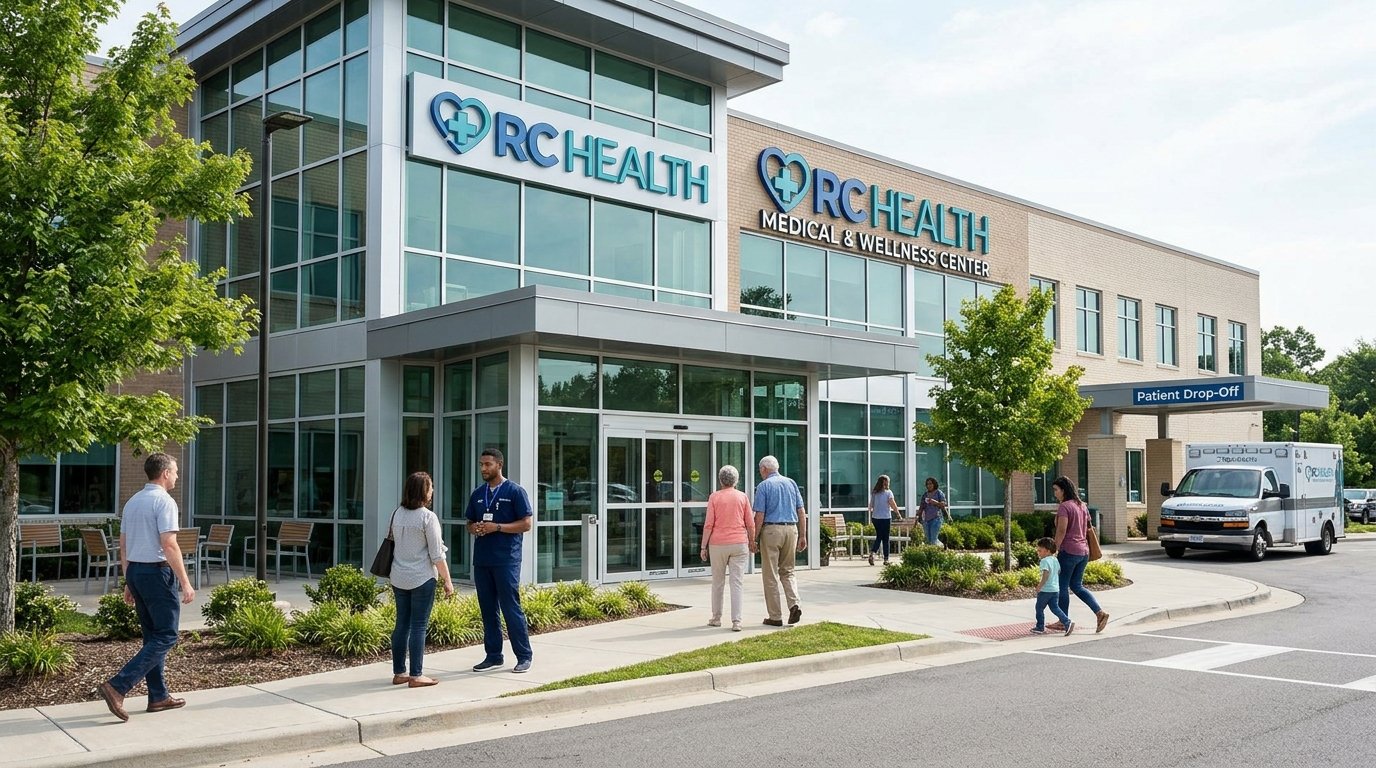
Healthcare education plays an essential role in preparing people to respond to medical emergencies, support patients, and build rewarding careers in the medical field. As healthcare needs continue to evolve, professional training organizations are becoming increasingly important for individuals who want practical knowledge and recognized qualifications. RC Health is a name associated with healthcare education, emergency medical training, and life-saving skills development.
When people search for RC Health, they may be looking for information about RC Health Services, its educational programs, available certifications, and opportunities to enter the healthcare profession. The organization provides different training options designed for aspiring emergency medical technicians, healthcare professionals, and members of the public who want to learn essential emergency response skills.
From Emergency Medical Technician (EMT) education to CPR, Basic Life Support (BLS), Advanced Cardiovascular Life Support (ACLS), and Pediatric Advanced Life Support (PALS), RC Health Services focuses on preparing students for situations where medical knowledge and quick decision-making matter.
Understanding its programs, educational approach, and available learning opportunities can help prospective students determine whether its courses match their professional goals.
What Is RC Health?
RC Health commonly refers to RC Health Services, a healthcare education and training organization based in Pearland, Texas. The organization provides emergency medical education, professional certification courses, and training programs for people interested in developing practical healthcare skills.
Its educational services focus on two important areas: preparing individuals for healthcare careers and helping existing professionals maintain or improve their emergency response abilities.
Unlike traditional academic programs that may concentrate heavily on classroom-based instruction, emergency medical training also requires practical experience. Students must understand medical procedures, recognize emergency situations, communicate effectively, and apply their knowledge under pressure.
RC Health Services offers several educational pathways, including online, in-person, and hybrid learning opportunities. These options help accommodate students with different schedules, educational backgrounds, and professional responsibilities.
The organization also operates as an American Heart Association-approved training center, offering courses that follow applicable American Heart Association training guidelines.
Its programs are intended for different audiences, including:
- Individuals interested in becoming emergency medical technicians.
- Healthcare professionals who need CPR or life support training.
- Medical workers seeking certification renewal.
- People who want to learn emergency response techniques.
- Students exploring careers in emergency medical services.
- Organizations that require workplace safety and first aid education.
By providing different training options, RC Health Services contributes to the development of practical medical knowledge and emergency preparedness.
Understanding the Mission Behind RC Health Services
The importance of healthcare education extends beyond obtaining a certificate. Proper training can help individuals recognize medical emergencies, provide appropriate assistance, and understand when professional medical intervention is necessary.
RC Health Services was established around the idea of making healthcare education more accessible while maintaining an emphasis on practical preparation.
The organization was founded by Robert and Hedy Chambers. According to its published company history, the business began as a small family venture in Pearland, Texas, before growing into a larger training organization.
Its educational philosophy emphasizes professional development, practical experience, and responsible healthcare instruction.
The organization’s mission is particularly relevant in emergency medical services, where healthcare workers may need to make important decisions within seconds. An EMT responding to an accident, for example, must assess the situation, identify immediate medical concerns, and provide appropriate care while coordinating with other emergency personnel.
Similarly, healthcare professionals working in hospitals and clinics must understand how to respond when patients experience cardiac emergencies or other life-threatening conditions.
Education provides the foundation for handling these responsibilities with greater confidence and competence.
EMT Training Programs at RC Health
Emergency Medical Technician training is one of the major educational areas associated with RC Health Services.
An EMT is a trained emergency medical professional who provides initial medical assistance to individuals experiencing injuries, illnesses, or other urgent health conditions.
EMTs often work with ambulance services, emergency response organizations, fire departments, and other healthcare providers.
Their responsibilities may include assessing patients, checking vital signs, providing basic emergency care, assisting with patient transportation, and communicating important medical information to hospital personnel.
What Does EMT Training Include?
EMT education introduces students to the knowledge and practical skills required for emergency medical work.
Although specific course requirements can vary by program and applicable regulations, common subjects include:
- Human anatomy and basic physiology.
- Patient assessment techniques.
- Emergency scene management.
- Airway management.
- CPR and basic life support.
- Medical emergency recognition.
- Trauma assessment and treatment.
- Patient movement and transportation.
- Emergency communication procedures.
- Professional responsibilities and patient safety.
These subjects help students understand how the human body responds to injuries and illnesses and how emergency personnel can provide appropriate assistance.
Online EMT Training
One of the educational options offered by RC Health Services is online EMT coursework.
Online learning can be useful for individuals who need flexibility because of employment, family responsibilities, or other commitments.
Students can complete eligible theoretical coursework through an online learning environment rather than attending every academic session at a physical training center.
However, EMT education cannot be based entirely on reading and watching lessons. Practical skills, supervised training, and required clinical experiences remain important parts of professional preparation.
Students should carefully review the program requirements before enrolling to understand which activities must be completed in person.
Hybrid EMT Education
Hybrid training combines online academic instruction with practical learning sessions.
This approach allows students to study theoretical subjects independently while attending scheduled sessions for hands-on practice.
For example, students may complete lessons about patient assessment and emergency medical procedures online before practicing relevant skills with instructors.
Hybrid education can provide a useful balance between convenience and practical experience.
It also gives students opportunities to ask questions, receive feedback, and improve their understanding through supervised activities.
CPR Training and Certification
Cardiopulmonary resuscitation, commonly known as CPR, is one of the most important emergency response skills.
CPR is used when someone experiences cardiac arrest and requires immediate assistance. The procedure involves chest compressions and, depending on the training level and situation, rescue breathing.
Without prompt intervention, cardiac arrest can quickly become life-threatening.
Learning CPR gives individuals the knowledge needed to recognize emergencies and begin appropriate assistance while emergency medical services are being contacted.
RC Health Services offers CPR training options designed for healthcare providers and members of the general public.
Why Is CPR Training Important?
CPR education helps people understand how to respond when someone suddenly collapses or shows signs of cardiac arrest.
A properly trained person can potentially provide assistance before professional responders arrive.
Important elements of CPR education include:
- Recognizing cardiac arrest.
- Understanding when emergency services should be contacted.
- Learning appropriate chest compression techniques.
- Understanding rescue breathing procedures.
- Practicing CPR on training manikins.
- Learning how to use an automated external defibrillator.
- Following current emergency response recommendations.
CPR training is valuable in workplaces, schools, healthcare facilities, community organizations, and households.
It is especially useful for people who regularly work around children, older adults, or individuals who may require emergency assistance.
Heartsaver CPR and AED Courses
Heartsaver courses are designed primarily for people who do not necessarily work in healthcare but want to learn essential emergency response skills.
These courses may cover CPR, AED use, and basic first aid, depending on the selected program.
An automated external defibrillator, or AED, is a portable device that can analyze a person’s heart rhythm and provide an electrical shock when appropriate.
Learning how to use an AED alongside CPR can improve an individual’s preparedness during a cardiac emergency.
Basic Life Support (BLS) Training
Basic Life Support is another important program available through RC Health Services.
BLS training is generally intended for healthcare professionals and other individuals who may need to respond to serious medical emergencies as part of their professional responsibilities.
The course focuses on recognizing life-threatening conditions and providing immediate support.
Typical BLS training topics include:
- Adult CPR.
- Child and infant CPR.
- Rescue breathing.
- AED operation.
- Choking relief.
- Team-based resuscitation.
- High-quality chest compressions.
- Emergency response coordination.
BLS education emphasizes the importance of performing procedures correctly and working effectively with other responders.
For nurses, physicians, emergency medical personnel, and other healthcare workers, maintaining appropriate BLS credentials can be an important professional requirement.
Students should check their employer’s requirements and the certification details before choosing a particular course.
Advanced Cardiovascular Life Support (ACLS)
Advanced Cardiovascular Life Support is designed for qualified healthcare professionals who may participate in managing serious cardiovascular emergencies.
Cardiac emergencies can develop rapidly and require coordinated medical intervention.
ACLS training builds on foundational life support knowledge and introduces more advanced emergency management concepts.
The educational content commonly addresses:
- Recognition of cardiac arrest.
- Management of serious cardiac rhythms.
- Team communication during emergencies.
- Advanced airway considerations.
- Emergency medication principles.
- Post-cardiac arrest care.
- Structured patient assessment.
- Resuscitation team responsibilities.
ACLS courses help healthcare professionals improve their understanding of emergency algorithms and coordinated patient management.
The training is particularly relevant to professionals working in emergency departments, intensive care units, and other clinical environments where serious cardiovascular emergencies may occur.
Because ACLS requires an understanding of foundational medical concepts, participants should review the eligibility and preparation requirements before registering.
Pediatric Advanced Life Support (PALS)
Children and infants have different physiological needs from adults. Their emergency assessment and treatment may therefore require specialized knowledge.
Pediatric Advanced Life Support training focuses on recognizing and responding to serious medical conditions affecting young patients.
PALS education is particularly relevant to healthcare professionals who work in pediatric departments, emergency rooms, intensive care units, and other environments where children receive medical treatment.
Common educational areas include:
- Pediatric patient assessment.
- Recognition of respiratory distress.
- Management of respiratory failure.
- Identification of pediatric shock.
- Recognition of cardiac arrest.
- Pediatric resuscitation principles.
- Effective communication within medical teams.
- Emergency treatment coordination.
The course helps healthcare providers understand how to approach pediatric emergencies in a structured and organized way.
It also highlights the importance of early recognition because children may show different warning signs from adults when their health begins to deteriorate.
First Aid and Emergency Preparedness
First aid knowledge can be useful in almost every environment.
Medical emergencies do not happen exclusively in hospitals. They can occur at workplaces, schools, public locations, homes, and during recreational activities.
First aid training introduces participants to basic techniques for responding to common injuries and sudden health problems.
Depending on the course, subjects may include:
- Minor cuts and bleeding.
- Burns and scalds.
- Sprains and strains.
- Fractures.
- Allergic reactions.
- Fainting.
- Choking.
- Sudden illness.
- Basic emergency assessment.
First aid education also teaches participants to recognize situations that require immediate professional medical attention.
It is important to remember that first aid training does not replace professional medical care. Instead, it provides an initial response while appropriate emergency assistance is arranged.
RC Health Services includes first aid education among its available training options, making it relevant to individuals and organizations interested in improving workplace and community safety.
Flexible Learning Options at RC Health
Modern students often need educational programs that fit around their existing responsibilities.
Some individuals work full-time, while others manage family commitments or attend other educational institutions. Flexible learning arrangements can make professional development more manageable.
RC Health Services provides different learning formats depending on the course.
Online Learning
Online education allows students to access eligible course materials through digital platforms.
This format can reduce the need for frequent travel and provide greater control over study schedules.
It may be particularly useful for students who prefer independent learning or live far from a training location.
Classroom-Based Learning
Traditional classroom instruction provides direct interaction with instructors and other students.
Participants can ask questions, discuss challenging topics, and receive immediate explanations.
In-person learning is also important for practical activities that require physical demonstrations and instructor supervision.
Hybrid Learning
Hybrid education combines online coursework with scheduled practical sessions.
It can be an effective option for students who want flexibility without missing essential hands-on experience.
Before selecting a program, students should confirm its schedule, practical training requirements, examination arrangements, and certification conditions.
Locations and Training Availability
RC Health Services has developed a network of training locations across different parts of the United States.
Its published website lists locations and training options in areas such as:
- Houston, Texas.
- Austin, Texas.
- Dallas, Texas.
- Fort Worth, Texas.
- San Antonio, Texas.
- Jacksonville, Florida.
- Orlando, Florida.
- Atlanta, Georgia.
- New Orleans, Louisiana.
- St. Louis, Missouri.
- Oklahoma City, Oklahoma.
- Philadelphia, Pennsylvania.
- Charlotte, North Carolina.
- Boise, Idaho.
The availability of individual courses can vary by location.
Some programs may offer online academic components, while practical training and clinical requirements may need to be completed at designated facilities.
Students should check the official website for current schedules, course availability, and location-specific information before making enrollment decisions.
Who Can Benefit From RC Health Courses?
Healthcare training is useful for people at different stages of their professional journeys.
RC Health Services offers programs that address the needs of both beginners and experienced professionals.
Aspiring Healthcare Professionals
People interested in entering emergency medical services may consider EMT training as an initial step toward a healthcare career.
The coursework provides an introduction to patient care, emergency response, and medical assessment.
Nurses and Clinical Staff
Nurses and other clinical professionals may need BLS, ACLS, or PALS training depending on their workplace responsibilities.
These courses can help them maintain relevant knowledge and meet applicable professional requirements.
Emergency Responders
Emergency medical personnel and other first responders benefit from continuing education and opportunities to refresh essential skills.
Regular training can help professionals stay familiar with established procedures and updated recommendations.
Teachers and School Employees
Teachers, childcare workers, and school administrators may benefit from CPR and first aid education.
These skills can be particularly important in environments where children spend a significant amount of time.
Business Owners and Employees
Workplace safety is an important responsibility for employers.
CPR and first aid courses can help employees understand how to respond to medical emergencies while waiting for professional assistance.
Benefits of Choosing Professional Healthcare Training
Selecting an appropriate healthcare education program is an important decision.
Professional training can provide several advantages beyond simply completing a course.
Improved Practical Knowledge
Healthcare training introduces participants to procedures and concepts that are relevant to real-world situations.
Practical exercises help students connect theoretical information with actual emergency response techniques.
Greater Emergency Preparedness
People who understand emergency procedures may feel more prepared to respond when unexpected situations occur.
Training also helps participants recognize the limits of their knowledge and understand when professional assistance is necessary.
Professional Development
For individuals pursuing healthcare careers, additional training can support professional growth.
EMT education, life support courses, and other relevant certifications may help students develop qualifications needed for specific positions.
Flexible Educational Opportunities
Online and hybrid learning options can make it easier for people to pursue education while managing other responsibilities.
Instructor Guidance
Learning from experienced instructors can provide valuable insight into emergency medical situations.
RC Health Services highlights instructors with professional backgrounds that include nursing, paramedicine, and emergency medical services.
This experience can help students understand how medical concepts are applied in professional environments.
How to Enroll in an RC Health Course
The enrollment process generally begins with identifying the course that matches your educational or professional goals.
Students should avoid choosing a program based only on its name or advertised duration. Understanding the actual course requirements is essential.
Here are some useful steps to follow.
1. Identify Your Training Goals
Determine whether you need EMT education, CPR certification, BLS, ACLS, PALS, or first aid training.
Your current professional responsibilities and future career plans can help guide this decision.
2. Review Course Requirements
Different programs have different eligibility requirements.
Some courses may require previous healthcare knowledge, an existing certification, or other qualifications.
3. Choose a Learning Format
Review the available online, classroom, and hybrid options.
Consider your schedule, travel requirements, and ability to attend practical sessions.
4. Check Course Schedules
Look for available dates, training locations, and registration deadlines.
Confirm that the selected program fits your schedule.
5. Understand Certification Details
Before paying for a course, confirm whether the program includes an official certification card, how long the credential remains valid, and what assessments must be completed.
6. Complete Registration
Follow the organization’s official enrollment instructions and provide the required information.
Keep copies of registration confirmations, payment details, and course instructions.
What Should Students Consider Before Enrolling?
Although healthcare training can provide valuable educational opportunities, selecting the right program requires careful consideration.
Students should evaluate several factors before making a decision.
Accreditation and course recognition: Verify the training provider’s current approval status and whether the selected course meets the requirements of your employer or professional organization.
Instructor experience: Consider the professional backgrounds of the instructors and whether the program includes practical demonstrations.
Learning format: Make sure the course delivery method matches your learning preferences and schedule.
Total cost: Review tuition, training materials, examination fees, and any additional expenses associated with clinical or practical sessions.
Certification requirements: Understand the assessments, attendance requirements, and renewal conditions associated with the course.
Career expectations: Remember that completing an educational course does not automatically guarantee employment or professional licensure. Additional examinations, background requirements, state approvals, and practical experience may be necessary.
Taking time to investigate these details can help students make more informed decisions.
RC Health and the Future of Healthcare Education
Healthcare education continues to change as medical technology, emergency response procedures, and professional expectations develop.
Training providers must adapt their educational methods to prepare students for modern healthcare environments.
Digital learning platforms have made theoretical education more accessible, allowing students to study from different locations.
At the same time, practical instruction remains essential because healthcare professionals must demonstrate their ability to perform procedures correctly.
The combination of online learning, instructor guidance, and hands-on practice represents an important direction for healthcare education.
Organizations such as RC Health Services operate within this evolving educational environment by offering multiple learning formats and different types of emergency medical training.
Another important development is the growing recognition that emergency preparedness should not be limited to healthcare professionals.
When ordinary members of the public understand CPR, AED use, and basic first aid, communities may become better prepared to respond to emergencies.
Workplaces, educational institutions, and community organizations can all benefit from accessible life-saving education.
Frequently Asked Questions About RC Health
1. What is RC Health?
RC Health commonly refers to RC Health Services, a healthcare education organization based in Pearland, Texas. It provides EMT training, CPR courses, BLS, ACLS, PALS, and other emergency medical education programs.
2. What courses does RC Health Services offer?
Its published course offerings include EMT and Advanced EMT education, CPR, First Aid, BLS, ACLS, PALS, Bloodborne Pathogens, AED training, and other healthcare-related educational programs.
3. Does RC Health offer online EMT training?
Yes. RC Health Services offers online and hybrid EMT education. However, students should understand that practical skills sessions and clinical experiences may require in-person participation.
4. Is RC Health an American Heart Association training center?
RC Health Services identifies itself as an approved American Heart Association Training Center. Prospective students can check the organization’s official website and the relevant course information for current details.
5. Who should take CPR training?
CPR training can benefit healthcare professionals, teachers, childcare workers, workplace employees, caregivers, and members of the general public who want to learn how to respond to cardiac emergencies.
6. What is the difference between BLS and ACLS?
BLS focuses on foundational life support skills, including CPR and AED use. ACLS provides more advanced education for qualified healthcare professionals involved in managing serious cardiovascular emergencies.
7. What is PALS training?
PALS stands for Pediatric Advanced Life Support. It teaches healthcare professionals how to recognize and respond to serious medical emergencies involving infants and children.
8. Where is RC Health Services located?
The organization is based in Pearland, Texas, and lists training locations in multiple US cities. Course availability and schedules depend on the selected program and location.
9. Can beginners enroll in RC Health courses?
Some courses are suitable for beginners, while others require previous healthcare knowledge or professional qualifications. Students should review the eligibility requirements for their preferred course.
10. How can someone find more information about RC Health?
The official RC Health Services website provides information about available courses, training locations, enrollment, and contact details.
Official website: https://rchealthservices.com/
Final Thoughts
RC Health Services represents an important part of the healthcare education landscape, particularly in emergency medical training and life-saving skills development.
Its educational offerings cover several areas, including EMT preparation, CPR, First Aid, Basic Life Support, Advanced Cardiovascular Life Support, and Pediatric Advanced Life Support.
These programs serve different audiences, from individuals exploring healthcare careers to experienced professionals seeking additional training.
The availability of online, classroom-based, and hybrid learning options also provides flexibility for people with different educational needs and schedules.
However, choosing a healthcare training program requires more than reviewing a course description. Students should carefully examine eligibility requirements, practical training arrangements, certification recognition, and professional expectations.
Ultimately, quality healthcare education is about developing knowledge that can be applied responsibly when it matters most. Whether someone wants to pursue an emergency medical career or simply learn how to help during an emergency, appropriate training can be a meaningful step toward greater preparedness and professional development.
Explore more:










Discussion about this post